
Epoxy Flooring Lead Generation: How Coating Companies Book Garage Floor Jobs From Meta Ads
How epoxy and concrete coating companies use Meta ads, a qualifying form and fast follow-up to book garage floor and basement jobs.
Read the article →
Most consultancies grow on referrals and the partners' personal networks. That works until it does not. Revenue comes in lumps, the team is either overloaded or waiting, and nobody can say with confidence what next quarter looks like.
A predictable pipeline is not about more leads. It is about knowing which inputs produce which outputs, so you can plan hiring and cash flow instead of hoping. Here is how to build one.
Start with the math. Take the new revenue you want next quarter and divide it down through your conversion rates. Here is an illustration with example numbers:
Use your own numbers from the last 12 months. If you do not know them, that is the first problem to fix. Once you have the math, you know how many conversations you need every week, and you can see which stage is the bottleneck.
A pipeline full of "maybe" deals cannot be forecast. Give each stage a clear rule for moving to the next one:
Record a reason for every deal you lose, such as timing, budget, chose a competitor or went quiet. After a quarter, those reasons tell you what to fix.
Referral-only firms are one quiet quarter away from trouble. Build three sources and measure each one on its own:
Outbound gives you control over volume. Partners give you warm introductions. Inbound lowers your cost over time. Together they smooth out the lumps.
Decision-makers delete anything that reads like a vendor pitch. Your outreach should read like the start of an expert conversation. A simple structure for the first email or LinkedIn message:
Follow up three or four times with something new each time: a short case story, a benchmark, or a question. Keep every message under 100 words. Senior buyers reply to short, relevant notes from people who clearly understand their world.
Most consultancies lose deals between the first call and the signature. A few habits fix most of it:
Fixing the process often matters more than adding leads. Luke Gravett of BP Consulting said the Dealflow program optimized their whole sales process and allowed them to scale.
Thirty minutes, same day every week. Cover:
A useful rule of thumb is to keep qualified pipeline at about three times your quarterly target. If coverage drops below that, increase outbound volume now, not when the quarter is already lost.
After a quarter or two, you will know which source produces the best clients at the lowest cost and the shortest sales cycle. Put more into that one. Add a second partner to the outbound sequences, hire an appointment setter, or increase ad spend behind your best case study. Because you know your conversion rates, you can predict what extra volume will produce.
That is when growth starts to compound. Alberto Huet of C2Thrive said they tripled their numbers in the last quarter thanks to the Dealflow program.
Our Dealflow program builds the pipeline for B2B and sales consultancies: account-based outbound by cold email and LinkedIn, an inbound booking funnel, and a sales process with clear stages and follow-up. You get a dedicated campaign manager and weekly reporting on every stage of the funnel.
Book a free Scale-Up Session. We will run your revenue math with you, find the bottleneck in your pipeline and map out the plan to fix it.
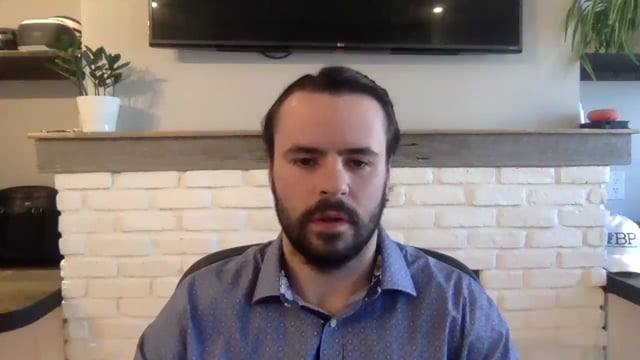
“Really happy with the Dealflow program so far. Its optimized our whole sales process and its allowed us to scale... which is what Avi said would be the result.. Definitely recommend”
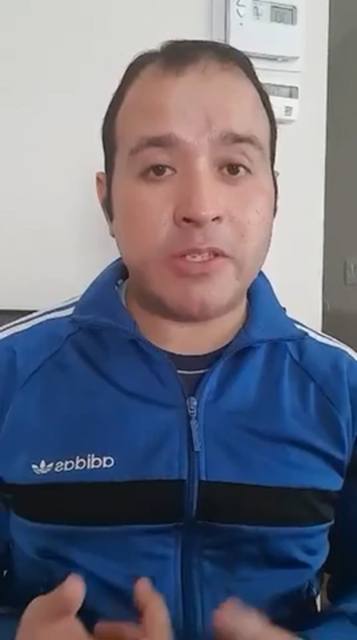
“We have tippled our numbers in the last quarter thanks to the Dealflow program... just try it I recommend it!”
How epoxy and concrete coating companies use Meta ads, a qualifying form and fast follow-up to book garage floor and basement jobs.
Read the article →
A practical system for loan officers, agents and brokers: paid social, a funnel that qualifies, callbacks in minutes, and SEO and referrals underneath.
Read the article →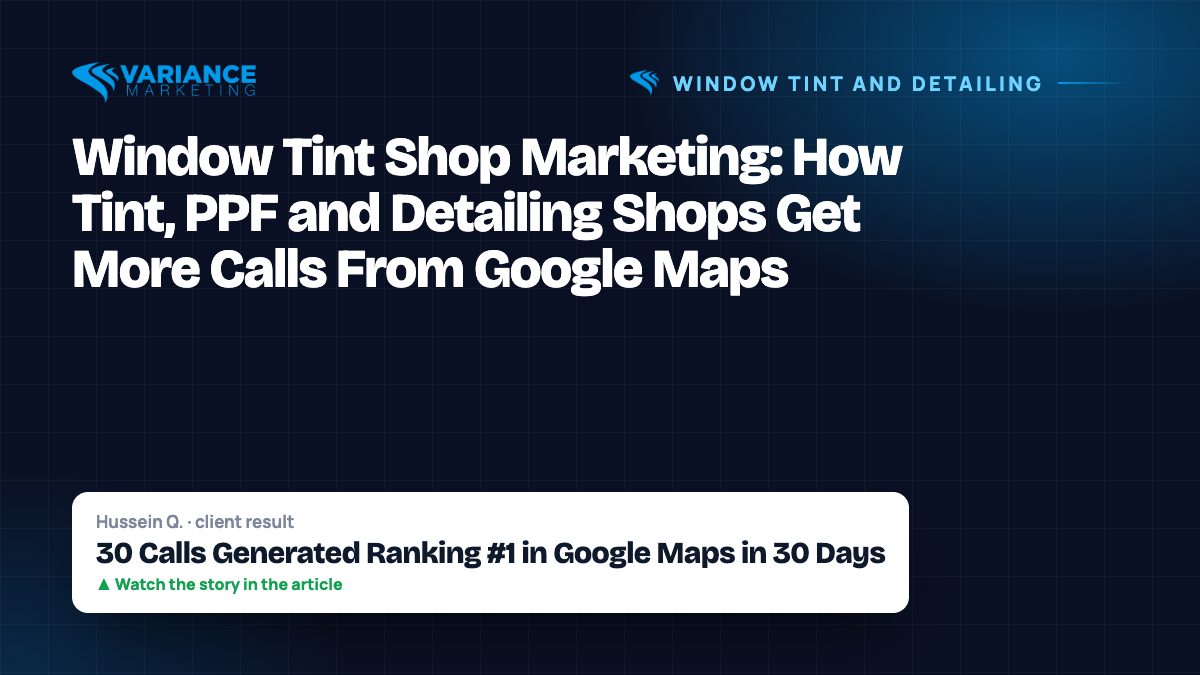
How window tint, PPF and detailing shops climb into the Google Maps top three and turn map views into booked appointments.
Read the article →Book a Scale-Up Session. We look at your numbers, show you the plan, and tell you straight if we can help. We only take clients we are 100% sure we can get results for.
Book a Scale-Up Session → 4.9★★★★★82 Google reviews Or call +1 (786) 798-8817 · [email protected]